
Rosacea + Sensitive Skin
Calm redness, support sensitive skin, and strengthen your skin barrier with a gentle, personalized approach designed around what your skin can safely tolerate.
What You’ll Find on This Page
Rosacea and sensitive skin require a thoughtful approach. Understanding your triggers, protecting your skin barrier, and choosing appropriate skincare and treatments can help reduce unnecessary irritation and support healthier, calmer skin.
-
A simple understanding of rosacea + sensitive skin
-
Common triggers that may contribute to redness and flushing
-
The importance of barrier-supportive skincare
-
Professional treatment recommendations
-
My top skincare picks for sensitive + redness-prone skin
-
Frequently asked rosacea questions
-
Where to start if you're unsure what your skin needs
Understanding Rosacea + Sensitive Skin
Rosacea is a chronic inflammatory skin condition commonly associated with persistent facial redness, flushing, visible blood vessels, sensitivity, and—in some cases—acne-like bumps or pustules. Symptoms can vary significantly between individuals and may change over time.
Sensitive skin isn't necessarily rosacea. It can also develop when the skin barrier is compromised or when the skin becomes reactive to certain products, ingredients, environmental conditions, or lifestyle factors.
While rosacea cannot simply be “cured” with a facial or skincare product, understanding your skin and identifying potential triggers can make a meaningful difference in how symptoms are managed.
My approach focuses on calming rather than aggressively correcting—supporting barrier health, minimizing unnecessary inflammation, identifying potential triggers, and choosing skincare and professional treatments that respect your skin's individual tolerance.
What Can Influence Rosacea + Sensitivity?
Heat + Sun Exposure
Heat, UV exposure, hot environments, and significant temperature changes are common triggers for facial flushing and can contribute to increased redness and sensitivity.
Lifestyle + Individual Triggers
Stress, alcohol, spicy foods, hot beverages, exercise, and other lifestyle factors may trigger flushing for some individuals. Triggers are highly personal, which is why learning your own patterns is important.
Skin Barrier Health
A compromised barrier can make already sensitive skin even more reactive. Supporting hydration and barrier function can help improve comfort and increase the skin's tolerance to skincare.
Skincare + Treatments
Harsh cleansers, excessive exfoliation, strong actives, fragrance, and overly aggressive treatments may increase irritation. With sensitive or rosacea-prone skin, more isn't always better.
Calm + Protect Before You Correct
Your daily skincare routine is one of the most important parts of supporting sensitive or rosacea-prone skin.
The goal is to maintain a healthy skin barrier while minimizing unnecessary irritation. I typically prioritize gentle cleansing, hydration, barrier-supportive ingredients, daily sun protection, and carefully selected corrective products based on what your skin can tolerate.
Sensitive skin doesn't necessarily mean you can never use active ingredients—it means they need to be introduced intentionally and appropriately.
Start with a Skin Consultation
Understand your skin before treating it.
Rosacea and sensitive skin can present very differently from person to person, which is why a personalized approach is especially important. A consultation gives us the opportunity to assess your current skin and barrier health, discuss redness, flushing or sensitivity, review your existing skincare, and explore potential lifestyle, environmental, and product-related triggers that may be contributing to your symptoms.
From there, we'll create a personalized plan focused on calming and strengthening the skin first, including appropriate home-care recommendations and professional treatment options based on what your skin can safely tolerate.
If your symptoms suggest rosacea that has not yet been medically diagnosed, or your concerns fall outside of my scope as an aesthetician, I may recommend working alongside your physician or dermatologist while I continue to support the health of your skin.
Customized Facial + KRX Inflacure
Calm, hydrate + support the skin barrier.
Customized facials allow me to adjust every step of your treatment based on how your skin presents that day. For rosacea-prone or sensitive skin, the priority may be hydration, calming visible redness, supporting the barrier, and avoiding unnecessary stimulation.
KRX Inflacure can also be incorporated when appropriate for additional calming and restorative support.
HydraFacial
Customized according to your skin's tolerance.
HydraFacial may be appropriate for some sensitive or redness-prone skin when customized carefully. Exfoliation strength, treatment steps, and products can be adjusted to prioritize gentle cleansing and hydration without unnecessarily overwhelming the skin.
However, not every rosacea flare or level of sensitivity is appropriate for treatment. If your skin is actively inflamed or highly reactive, calming and restoring the skin first may be the better approach.
My Top Skincare Picks for Sensitive + Rosacea-Prone Skin
With sensitive skin, the goal isn't to build the biggest routine—it's to build the right one.
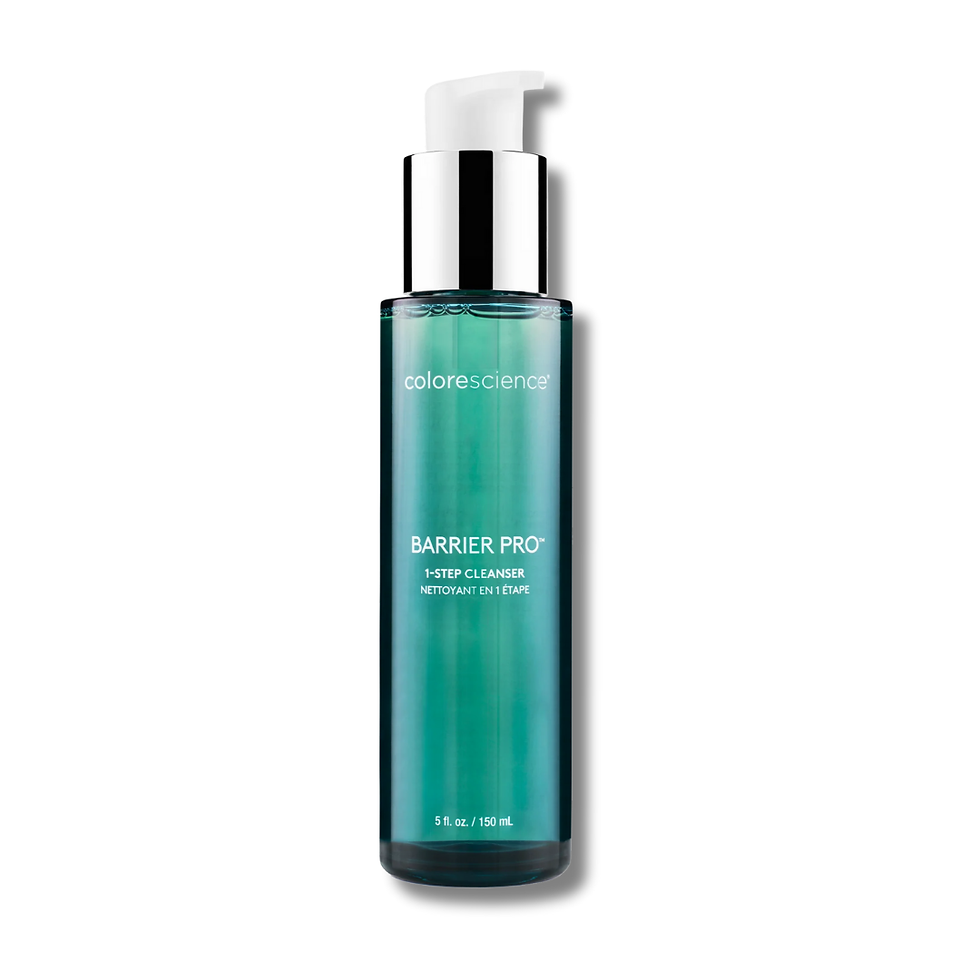
These are some of my go-to professional products for supporting hydration, barrier health, redness-prone skin, and daily protection while minimizing unnecessary irritation.




Frequently Asked Questions
Can rosacea be cured?
Rosacea is a chronic condition, so the goal is generally management rather than a permanent cure. Identifying triggers, supporting barrier health, appropriate skincare, sun protection, and professional or medical treatment when necessary can help manage symptoms.
How do I know if I have rosacea or just sensitive skin?
Redness and sensitivity can have many causes. Rosacea may involve persistent central facial redness, flushing, visible blood vessels, and sometimes acne-like lesions. An aesthetician can assess your skin and provide supportive skincare guidance, but diagnosis should come from a qualified medical professional.
Can I exfoliate if I have rosacea?
Potentially, but it depends on your skin. Sensitive or rosacea-prone skin often requires a more conservative approach to exfoliation. The type, strength, frequency, and current condition of your skin all matter.
Why does my face suddenly become red or flushed?
Rosacea flushing can be triggered by factors such as heat, UV exposure, stress, exercise, alcohol, spicy foods, temperature changes, and certain skincare products. Individual triggers vary considerably.
Can I still receive professional facials?
Yes, in many cases—but treatment needs to be appropriate for your skin's current condition. When skin is highly reactive or actively flaring, I may recommend postponing certain treatments and prioritizing calming home care instead.
Is SPF important for rosacea?
Very. UV exposure is a common rosacea trigger and can contribute to redness and inflammation. Consistent broad-spectrum sun protection is an important part of managing sensitive and rosacea-prone skin.
When in Doubt, Start with a Consultation
You don't need to know which treatment, product, or program you need before reaching out. A professional consultation gives us the opportunity to understand your skin, discuss your concerns and goals, explore potential contributing factors, and determine the best path forward for you.