
Dryness + Barrier Damage
When your skin feels tight, irritated, flaky, or sensitive, your barrier may be compromised. Restore hydration while rebuilding healthier, more resilient skin.
What You’ll Find on This Page
Your skin barrier plays an essential role in keeping your skin hydrated, protected, and functioning properly. This page will help you understand what may be contributing to dryness or barrier damage and how to begin restoring healthier, more resilient skin.
-
Understanding dryness, dehydration + barrier health
-
Common causes of barrier disruption
-
Professional treatment recommendations
-
My top skincare picks for dry + compromised skin
-
Where to begin if you're unsure what your skin needs
Understanding the
Barrier
Your skin barrier is the outermost protective layer of the skin. Its job is to retain essential moisture while helping protect the skin from environmental stressors, irritants, and microorganisms. When functioning properly, it helps keep the skin hydrated, comfortable, and resilient.
When the barrier becomes compromised, it can lose moisture more easily and become increasingly reactive. You may notice tightness, flaking, rough texture, dehydration, redness, sensitivity, or products suddenly stinging that never bothered your skin before.
Barrier damage can develop from over-exfoliation, excessive active ingredients, harsh cleansing, environmental exposure, or simply using products that aren't appropriate for your skin. And because barrier health affects how well your skin tolerates both skincare and professional treatments, restoring it often needs to come before trying to correct other concerns.
That's why my approach isn't to simply add more hydration or more products. It's about identifying what is disrupting the barrier, removing unnecessary irritation, and giving the skin what it needs to rebuild healthier function and resilience.
What Can Disrupt Your Skin Barrier
Over-Exfoliation + Actives
Too many acids, retinoids, scrubs, or corrective ingredients can overwhelm the skin and interfere with normal barrier function.
Moisture + Lipid Loss
Healthy skin needs both water and essential lipids. When either becomes depleted, the skin may struggle to retain moisture and can become dry, tight, rough, or dehydrated.
Environment + Lifestyle
Sun exposure, seasonal changes, low humidity, heat, hot water, stress, and other environmental factors can increase moisture loss and contribute to sensitivity.
Your Daily Skincare
Over-cleansing, harsh cleansers, inappropriate products, or simply doing too much can prevent an already compromised barrier from properly recovering.
Start with a Skin Consultation
Start by understanding what your skin needs.
When your skin feels dry, tight, sensitive, or suddenly reactive, a consultation can help identify what may be contributing to the problem. We'll assess your current barrier health, skincare routine, active ingredients, lifestyle, and environmental factors that may be affecting your skin.
From there, I'll help simplify your routine and create a personalized plan focused on restoring your barrier, with skincare and professional treatment recommendations based on what your skin can safely tolerate right now.
At-Home Barrier Support
Barrier recovery starts with what you're doing every day.
At-home skincare is one of the most important parts of restoring a compromised barrier. The goal is often to simplify before adding more—focusing on gentle cleansing, hydration, barrier-supportive moisturizers, daily SPF, and reducing ingredients that may be contributing to irritation.
Your routine should be based on what your skin needs right now, not necessarily what it tolerated in the past. As your barrier becomes healthier and more resilient, corrective ingredients can gradually be introduced when appropriate.
Not sure where to begin? Book a consultation for personalized guidance, or browse my recommended barrier-supportive skincare below.
Professional Treatments for Barrier Health
Customized Facial
Professional support based on what your skin needs right now.
When the skin is dry, depleted, or reactive, treatment should focus on restoring rather than overwhelming it. Customized facials can be tailored toward gentle cleansing, hydration, calming visible irritation, and replenishing the skin while avoiding unnecessary stimulation.
* KRX Inflacure Add-On
For skin experiencing increased sensitivity, redness, dehydration, or barrier disruption, KRX Inflacure can be incorporated into a customized facial for additional calming and restorative support.
HydraFacial + Microchanneling
Treatment depends on your level of barrier compromise.
Both treatments can play a role in improving overall skin quality, but your barrier health determines when we proceed.
HydraFacial can be customized to prioritize cleansing, hydration, antioxidant support, and replenishment for mildly dry or dehydrated skin with an otherwise healthy enough barrier.
Microchanneling can later be introduced to support collagen production and improve texture, fine lines, scarring, and overall skin quality. However, it should not be performed on actively compromised, significantly irritated, or inflamed skin. Restoring barrier health comes first.
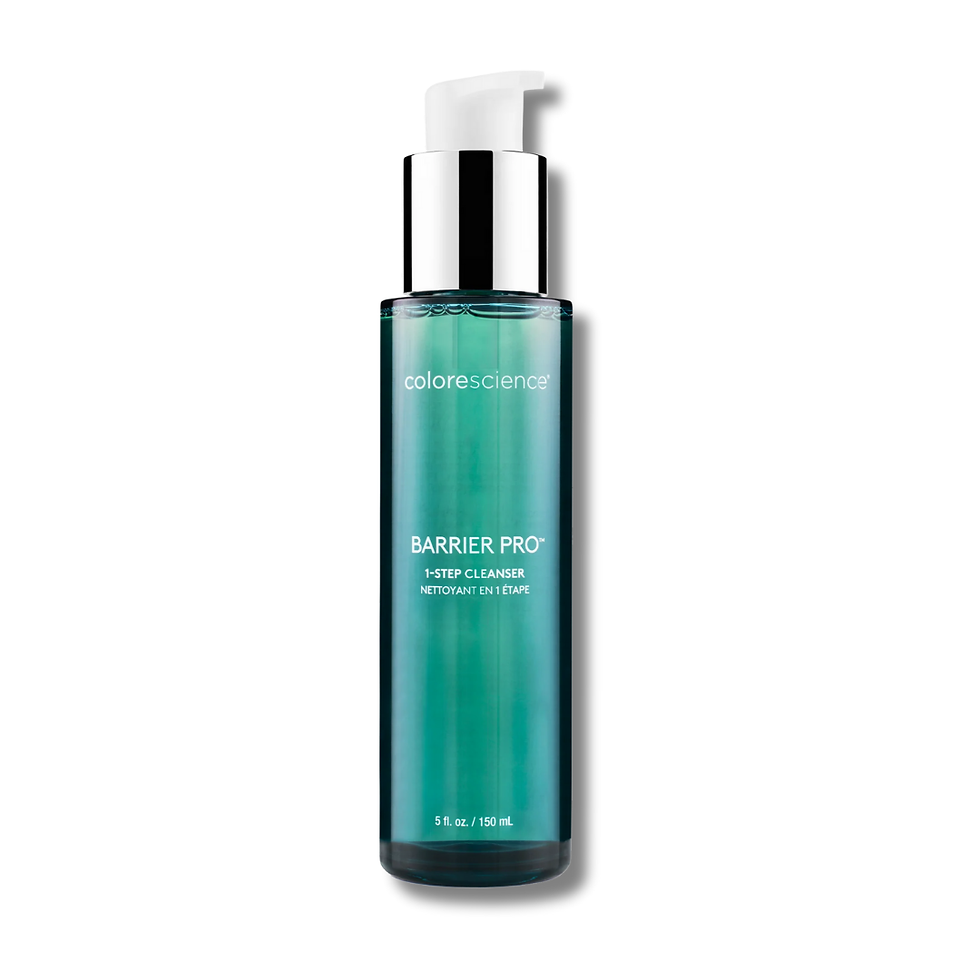
My Top Skincare Picks for Supporting your Barrier
Healthy skin starts with a healthy barrier. These are some of my go-to professional products for restoring hydration, reducing irritation, and supporting stronger, more resilient skin.




Frequently Asked Questions
How do I know if my skin barrier is compromised?
Common signs include tightness, flaking, increased sensitivity, redness, rough texture, dehydration, or products suddenly stinging or irritating your skin. Your skin may also feel oily while still feeling tight or dehydrated.
What's the difference between dry and dehydrated skin?
Dry skin generally lacks oil, while dehydrated skin lacks water. Any skin type—including oily or acne-prone skin—can become dehydrated, which is why understanding what your skin actually needs is important.
What causes barrier damage?
Over-exfoliation, excessive active ingredients, harsh cleansing, environmental exposure, sun damage, and using products that aren't appropriate for your skin can all contribute. Often, it's a combination of factors rather than one specific product.
Should I stop using my active skincare?
Sometimes. If your barrier is significantly compromised, reducing or temporarily pausing exfoliating acids, retinoids, scrubs, and other potentially irritating ingredients may be necessary. What you should stop—and when to reintroduce it—depends on your individual skin.
Can I still have professional treatments with a damaged barrier?
It depends on the severity of the compromise. Gentle, restorative treatments may help support the skin, while more stimulating treatments like peels or Microchanneling may need to wait. Restoring skin health always comes before correction.
How long will it take to repair my skin barrier?
There isn't one set timeline. Mild disruption may improve relatively quickly once the source of irritation is addressed, while more significantly compromised or chronically irritated skin can take longer. Consistent, appropriate home care plays a major role in recovery.
When in Doubt, Start with a Consultation
You don't need to know which treatment, product, or program you need before reaching out. A professional consultation gives us the opportunity to understand your skin, discuss your concerns and goals, explore potential contributing factors, and determine the best path forward for you.