Shaving & Acne in Men
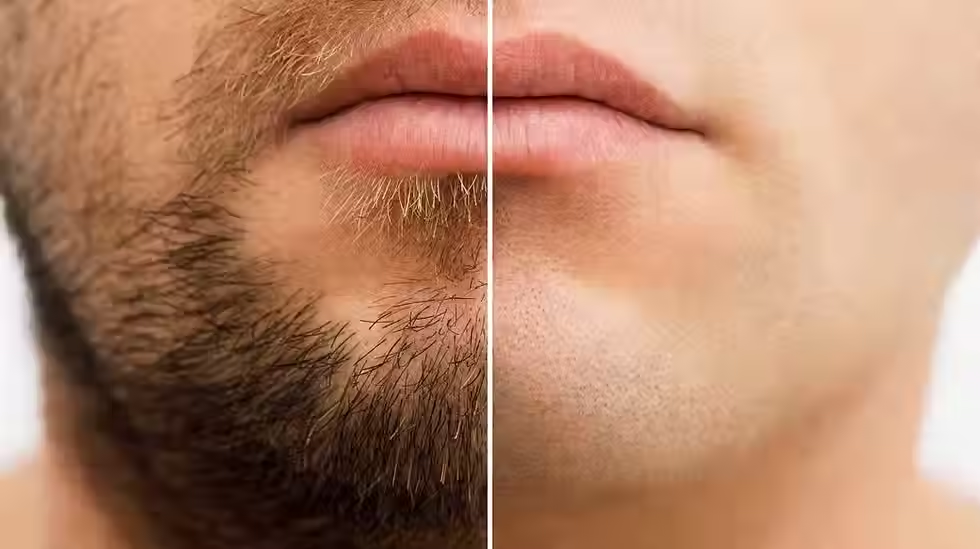
For many men struggling with breakouts, shaving can feel like a daily battle. One day your skin seems calm, and the next day you’re dealing with irritation, inflamed bumps, or what looks like new acne along the jawline and neck.
The truth is that shaving itself does not cause acne — but how you shave can absolutely influence breakouts, inflammation, and skin irritation.
Understanding the relationship between shaving and the skin can make a huge difference in keeping acne under control. Let’s break down what’s actually happening.
Why Shaving Can Make Acne Worse
When shaving is done improperly, it can trigger several skin reactions that mimic or worsen acne.
1. Follicle Irritation
Every time hair is shaved, the blade or cutting mechanism interacts directly with the hair follicle and the surrounding skin.
Aggressive shaving can cause micro-trauma to the follicle, which leads to inflammation. When the follicle becomes irritated, it can swell, trap bacteria, and create a red bump that looks nearly identical to acne.
Dermatologists often refer to this as pseudofolliculitis barbae, more commonly known as razor bumps.
These bumps can appear as:
red inflamed bumps
small pustules
tender follicle irritation
For acne-prone individuals, this inflammation can easily trigger or worsen breakouts.
2. Ingrown Hairs
Shaving very close to the skin can cause the hair to curl back into the follicle as it grows.
When this happens, the body treats the hair as a foreign object and triggers inflammation. The result is a swollen bump that can look and behave very similarly to acne.
This is particularly common in areas like:
the jawline
under the chin
the neck
3. Friction & Skin Barrier Damage
Shaving creates mechanical friction across the skin surface.
If the skin barrier is already compromised — which is extremely common in acne-prone skin — shaving can make the barrier even more reactive.
This can lead to:
redness
increased sensitivity
worsened inflammation
slower healing of existing breakouts
When the barrier is weakened, acne bacteria can also spread more easily.
Is Shaving Bad for Acne?
Not necessarily...
When done correctly, shaving can actually provide a mild exfoliating effect, removing dead skin cells that contribute to clogged pores.
The key factor is minimizing irritation and inflammation while shaving.
This is why choosing the right shaving method matters.
Best Types of Shavers for Acne-Prone Skin
Not all shaving tools affect the skin the same way.
Here is how different shaving methods typically compare for acne-prone skin.
1. Beard Trimmers (Least Irritating)
Beard trimmers cut hair slightly above the skin surface, leaving a small amount of stubble.
Because they do not shave the skin directly, they create very little friction or follicle trauma.
Benefits include:
minimal irritation
very low ingrown hair risk
less inflammation
safer for active acne
For men dealing with significant breakouts, trimming the beard rather than fully shaving can often be the most skin-friendly option.
2. Rotary Electric Shavers
Rotary shavers use circular blades beneath protective guards that rotate to cut hair close to the skin.
They typically create less irritation than traditional razors because the blade does not scrape directly across the skin. These shavers are often recommended for men with sensitive or acne-prone skin.
Advantages include:
flexible heads that adapt to facial contours
reduced pressure on follicles
lower risk of razor bumps compared to blade razors
.....However, they can still cause irritation if used aggressively.
3. Foil Electric Shavers
Foil shavers cut hair through a thin metal screen.
They provide a very close shave but can sometimes create more friction than rotary shavers, particularly for sensitive skin.
They are best suited for men with mild acne or sensitive skin that tolerates shaving well.
4. Multi-Blade Razors (Most Irritating)
Cartridge razors with multiple blades create the closest shave but also carry the highest risk of irritation.
Each blade passes over the skin and hair follicle multiple times, increasing friction and the likelihood of ingrown hairs.
For acne-prone skin, these razors can:
worsen inflammation
trigger razor bumps
spread bacteria across the skin
For this reason, dermatologists often recommend avoiding aggressive multi-blade shaving systems when acne is active.
Proper Shaving Techniques for Acne-Prone Skin
Regardless of the shaving method used, technique plays a huge role in preventing irritation.
Cleanse Before Shaving
Always wash the skin first to remove oil, sweat, and bacteria. This helps prevent bacteria from entering the follicles during shaving.
Shave Gently
Shavers are designed to glide across the skin. Pressing too hard increases friction and irritation.Light pressure is always best.
Avoid Repeated Passes
Going over the same area multiple times can quickly irritate the follicles and worsen inflammation.
Avoid Shaving Directly Over Active Breakouts
Shaving directly over inflamed acne lesions can:
rupture the lesion
spread bacteria
delay healing
If possible, shave around inflamed areas.
Clean Your Shaver Properly
Electric shavers and trimmers can harbor bacteria if not cleaned regularly.
To keep tools hygienic:
rinse blades thoroughly after use
allow the device to dry completely
disinfect occasionally with alcohol spray
Many automatic cleaning pods contain fragrance and other ingredients that are not always ideal for sensitive or acne-prone skin.
A thorough rinse and air drying routine, followed by alcohol spray is often the safest approach.
Supporting the Skin After Shaving
After shaving, the goal is to calm and support the skin barrier.
Helpful steps include:
gently cleanse the skin
applying a gentle acne safe moisturizer
using soothing ingredients like hypochlorous acid
avoiding harsh actives immediately after shaving
Products that reduce inflammation can help prevent post-shave irritation from turning into breakouts.
......
Shaving doesn’t have to make acne worse.
Most issues arise from irritation, friction, and poor shaving habits, not the act of shaving itself.
For acne-prone skin, the most important factors are:
choosing the right shaving tool
minimizing irritation
keeping shaving tools clean
supporting the skin barrier
When these factors are managed properly, shaving can become a much less stressful part of a skincare routine.
- Natasha At Skin xo


Comments